





Once a massive active volcano, the Ngorongoro crater’s creation came about post-eruption where the volcanic activity caused its collapse and left behind the world’s largest inactive and untouched volcanic caldera, a sinkhole left behind after magma movement. The crater floor is predominantly composed of open grasslands with a seasonal salt lake found in the centre of the crater; Lake Magadi.
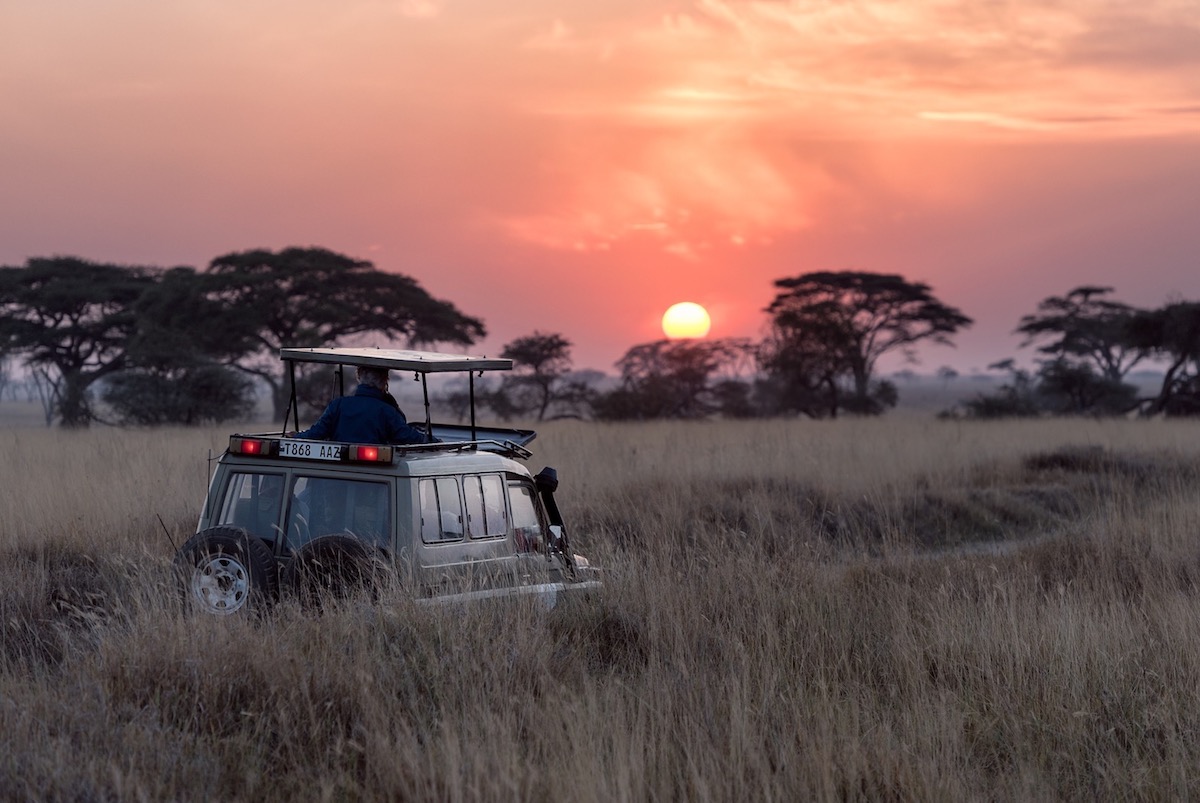
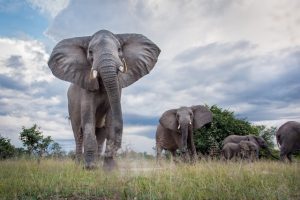
The Ngorongoro is teeming with wildlife and it is this which forms its main attraction and was the driving force behind thrusting it into the limelight of Africa’s safari tours. Wildlife that can be found within the self-enclosing crater includes rhinoceros, hippopotamus, cape buffalo, Grant’s zebra and East African lions. Due to the naturally formed barriers of the crater, wildlife spotting is good throughout the year rather than significantly affected by migration cycles through the year.